Safety Affiliates:
Micro-Surfacing
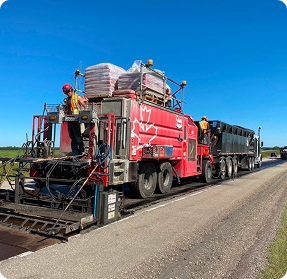
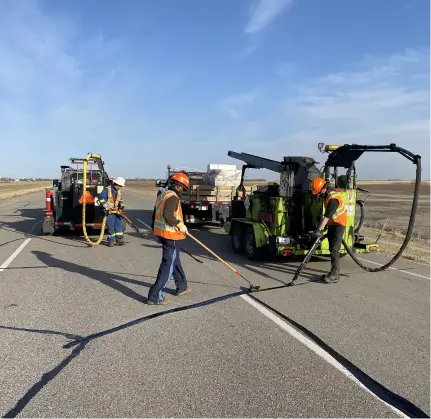
Micro-Surfacing is one of the most versatile and cost-effective pavement preservation treatments available today. Designed to restore, protect, and extend the life of existing pavement, it can correct a wide range of surface deficiencies without the cost and disruption of a conventional asphalt overlay.
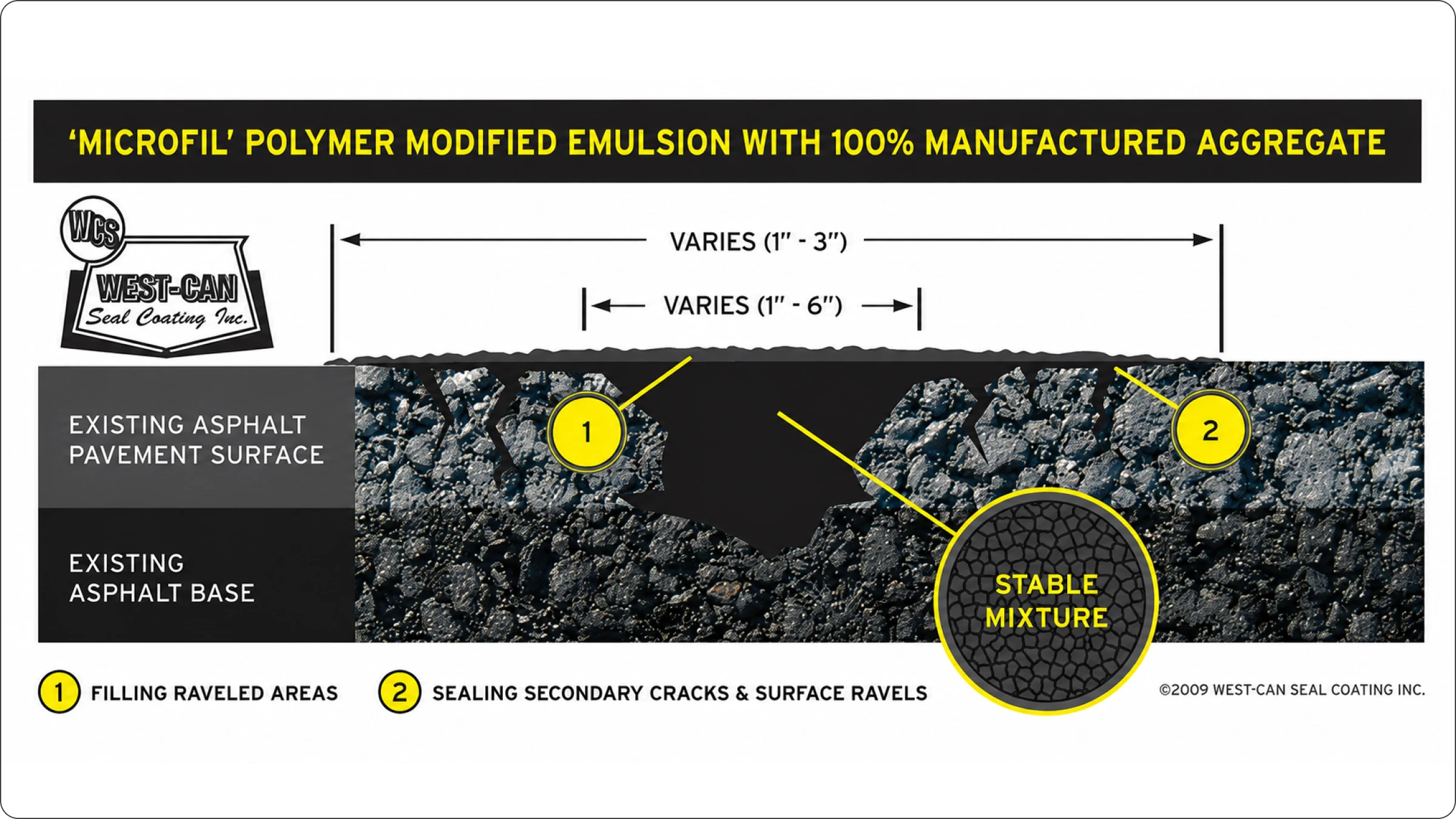
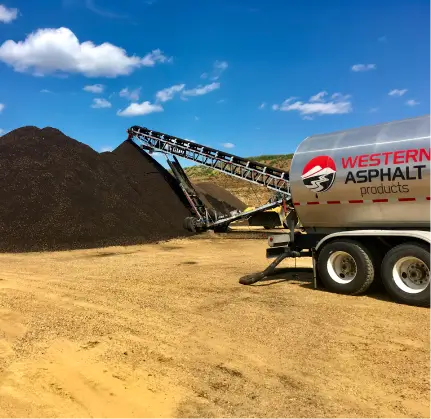
Micro-Surfacing is an engineered mixture of polymer-modified asphalt emulsion, 100% manufactured aggregate, Portland cement, water, and liquid additives. Each mixture is proportioned to a laboratory-designed specification and applied using specialized equipment to produce a durable, consistent wearing surface.
One of the major advantages of Micro-Surfacing is speed. As a quick-set, quick-traffic system, treated roadways can often be reopened to traffic within hours of application, minimizing disruption to motorists, businesses, and surrounding communities.
Micro-Surfacing can be used for rut filling, surface leveling, scratch courses, and full-width resurfacing on everything from residential streets and municipal roadways to high-volume highways.
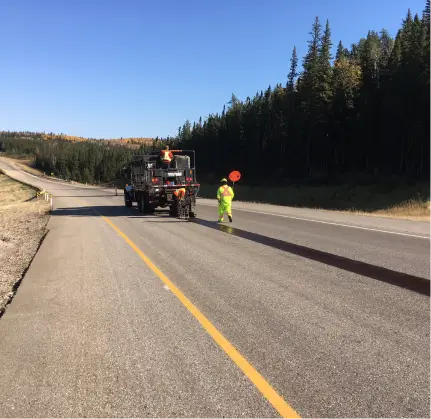
The finished surface seals and protects the existing pavement while correcting minor surface irregularities, weathering, pitting, and raveling. It also restores a uniform black appearance, improves skid resistance, and adds years of service life to the roadway.
For road owners looking to preserve a structurally sound pavement before more expensive rehabilitation becomes necessary, Micro-Surfacing provides an efficient way to improve the road today while protecting the investment underneath it.
Types of Micro-Surfacing
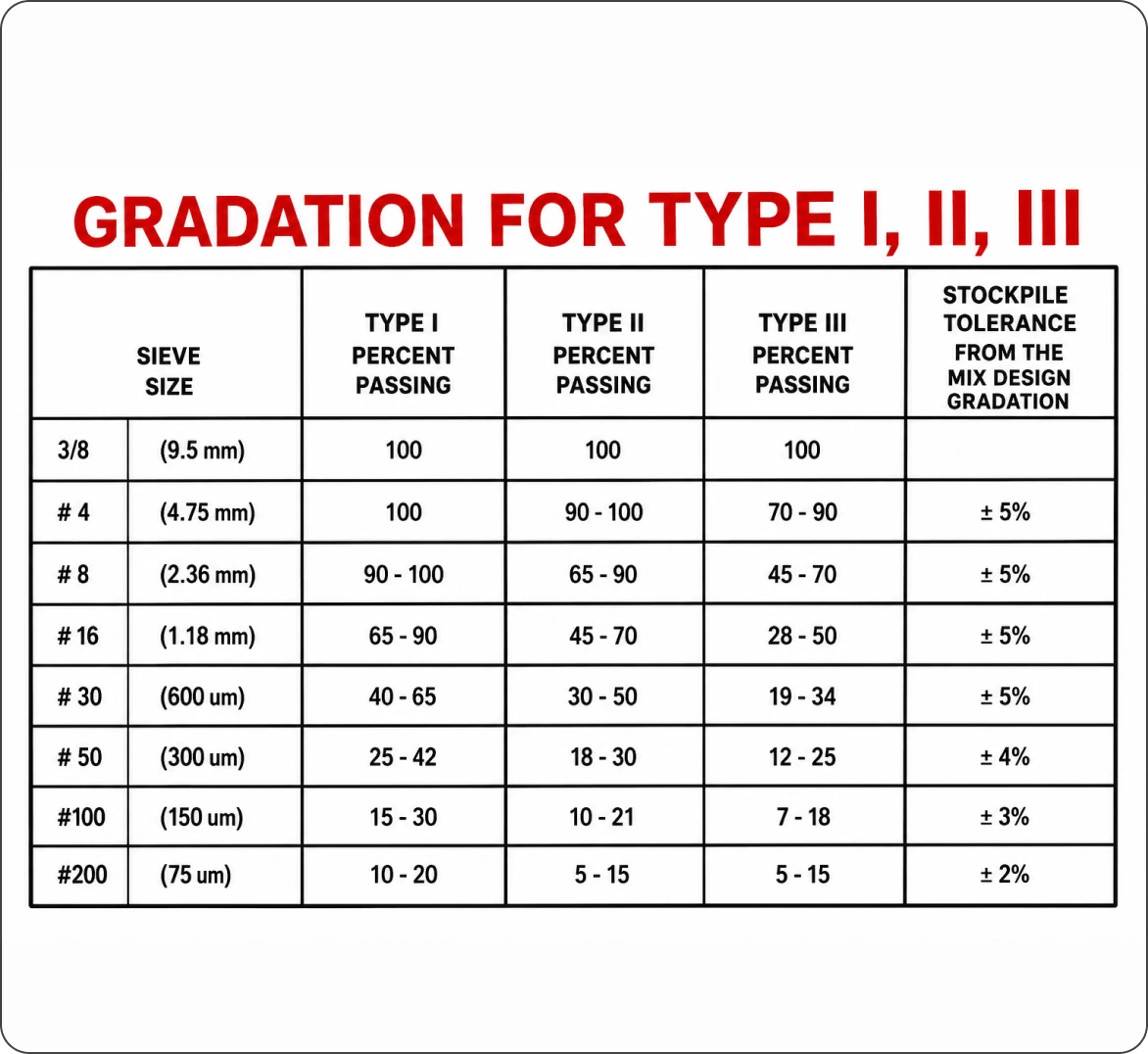
A very fine aggregate that generates maximum crack penetration while sealing residential traffic areas.
Type II micro-surfacing uses a finer aggregate gradation and is generally applied to roadways experiencing light to moderate traffic volumes.
It is commonly used to restore surface texture, improve skid resistance, seal minor surface imperfections, and protect aging asphalt from further deterioration.
Typical applications include residential streets, municipal roads, parking lots, and other lower-volume paved surfaces.
Type III micro-surfacing utilizes a coarser aggregate gradation designed for high-volume roadways and demanding traffic conditions. It is commonly used in rut-filling, scratch coat, and highway resurfacing applications, providing a durable, skid-resistant wearing surface capable of withstanding heavy traffic loads.
The coarser aggregate improves surface texture and skid resistance, helping reduce the risk of hydroplaning and improve roadway safety. Type III micro-surfacing can also be applied as a rut-fill or scratch coat pretreatment to correct wheel-path rutting, level surface irregularities, and prepare the roadway for a final micro-surfacing wearing course. These applications are particularly effective on provincial highways, major arterial roads, and heavily travelled industrial routes.
Since 2000, West-Can Seal Coating has placed thousands of kilometres of Type III micro-surfacing on highways from Ontario to British Columbia, helping transportation agencies extend pavement life, improve roadway safety, and reduce long-term maintenance costs.
Micro-Surfacing Videos
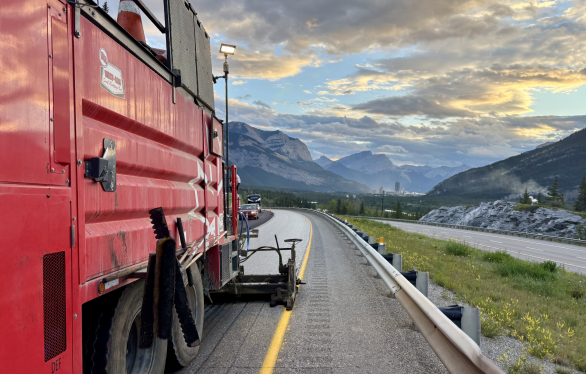
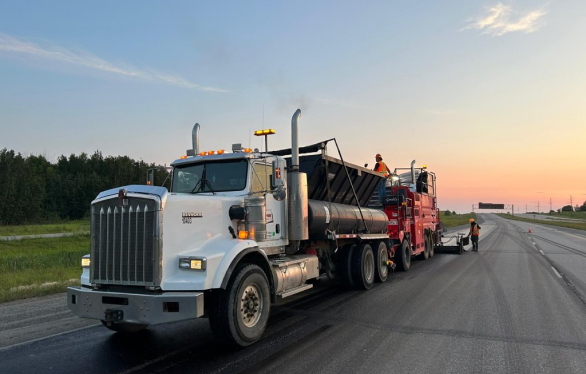
Learn more about Micro-Surfacing. Watch Micro-Surfacing being placed in an urban area and on a highway (2nd video). Micro-surfacing is an economical alternative to road maintenance practices for municipalities and their ratepayers. West-Can Seal Coating is available to consult with the owner in selecting the proper job specific products to meet each roadway’s maintenance needs. For additional Micro-Surfacing information or International Slurry Seal Association (ISSA) guidelines please visit www.slurry.org
The 100% manufactured aggregates offer superb physical properties combining durability, wear and an aesthetically pleasing appearance. These aggregates generally come in three distinct groupings: Type 1 (fine), Type 2 (standard) and Type 3 (coarse).
Advantages of Micro-Surfacing
Low resurfacing cost per M2
No asphalt milling
No joint cutting or need to adjust utilities
Fills cracks while providing a leveled surface
No curb loss reveal
Minimal traffic disruption
No fly stone or dust
Low energy consumption, no blue smoke
Reduces ponding, eliminating hydroplaning
Increased skid resistance
No mechanical compaction
100% recyclable
Additional Material
Review of Micro Surfacing Western Asphalt May 4, 2016
Pavement Preservation Chart
Micro Surfacing Brochure
The Tale of Two Cities
Why West-Can Seal Coating?
- We have an innovative team that offers creative and cost-effective solutions
- Money matters, investing in roadway maintenance is proven to be more cost-effective in both the short and long term when compared to traditional road rehabilitation products
- Our maintenance products are 100% recyclable and are proven to be more environmentally friendly than traditional road rehabilitation methods
- All of our employees are pre-screened and ready to work in all energy and civil environments
- We do quality work and provide value. Ask to see our list of references
- We are a one stop shop for all your road maintenance and construction needs.
- We are a privately owned business with four generations of proven success
Discover Our Full Range of Pavement Preservation Services
Excellent Reviews
Excellent Reviews
zan van brunschot
Just an all around outstanding company to do business with. We have been doing business with them for years, and will always recommend them to anyone!
Morris Groves
You have good owner and can make some good money most of the people are good to work with, you see lots of western provinces
Jacoba T
They did my street last year and now that the snow is melted it still looks like an awesome job! Positive, Quality, Professionalism
Frequently Asked Questions
What is pavement preservation, and why not just repave?
Pavement preservation extends the life of existing roads by protecting them before major deterioration occurs. Treatments such as chip seal and micro-surfacing can add years of service life at a fraction of the cost of repaving or reconstruction. By maintaining roads at the right time, municipalities and road owners can significantly reduce long-term maintenance costs and make their budgets go further.
What areas do you serve?
West-Can provides pavement preservation and road maintenance services throughout British Columbia, Alberta, Saskatchewan, Manitoba, Northern Ontario, and the Canadian Territories, with the ability to mobilize to other regions as required. We serve towns, cities, rural municipalities, provincial governments, Defence Construction Canada, airports, private developments, mining operations, and energy sector clients. We also supply asphalt emulsions and other road construction materials throughout Western Canada and into the United States.
Can pavement preservation treatments be applied over existing preservation treatments?
Yes. Treatments such as chip seal and micro-surfacing can often be applied over previously preserved roads, provided the underlying pavement remains structurally sound. Reapplying preservation treatments at the right time can further extend road life, improve surface conditions, and significantly reduce long-term maintenance costs.
How soon can traffic return to the road after treatment?
Most pavement preservation treatments allow traffic to return relatively quickly, minimizing disruptions. Cold mix asphalt can typically handle traffic immediately after compaction, while fog seals generally require 1–2 hours of curing. Chip seal and micro-surfacing can often reopen within a few hours, depending on weather and site conditions. Temporary reduced speeds may be required.
Can we purchase materials without hiring West-Can for installation?
Yes. We supply asphalt emulsions, aggregates, and cold mix asphalt to municipalities, contractors, and private customers, whether or not West-Can is performing the work. Materials are available for pickup or delivery, with quantities tailored to your project needs.
How do I know if my road needs preservation, rehabilitation, or full reconstruction?
The right treatment depends on the road’s structural condition, surface deterioration, and traffic demands. Roads with a sound foundation are often ideal candidates for cost-effective preservation treatments, while those with significant structural failures may require rehabilitation or reconstruction. West-Can can assess your roadway and recommend practical solutions that maximize service life and provide the best value for your investment.
Can a gravel road be converted to a hard dust free surface without traditional asphalt paving?
Yes. Gravel roads can often be converted to a hard surface using treatments such as double chip seal, cape seals providing the road has a structurally sound base. This approach can significantly reduce dust, improve driving conditions, and lower ongoing maintenance costs at a fraction of the cost of traditional hot mix asphalt paving.
Can West-Can help determine the most cost-effective treatment for our roads?
Absolutely. Our experienced team can assess your road conditions and recommend practical, cost-effective solutions based on pavement condition, traffic volumes, and budget. Whether it’s pavement preservation, rehabilitation, or reconstruction, our goal is to help you maximize the life of your roads while minimizing long-term costs.