Safety Affiliates:

ISN Member
Alberta Construction Safety Association ACSA
CanQual_Network_logo
Heavy Construction Safety Association of Saskatchewan
ComplyWorks_Logo
MHCA_COR_Logo
Services

Soil Stabilization

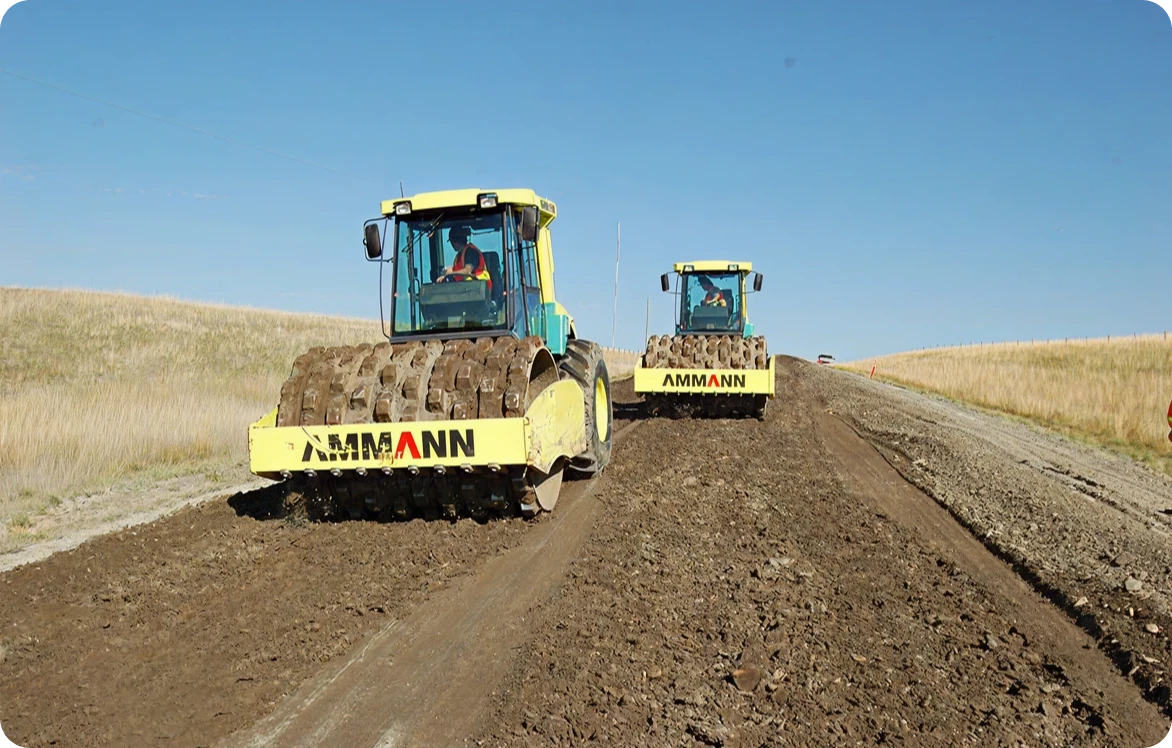
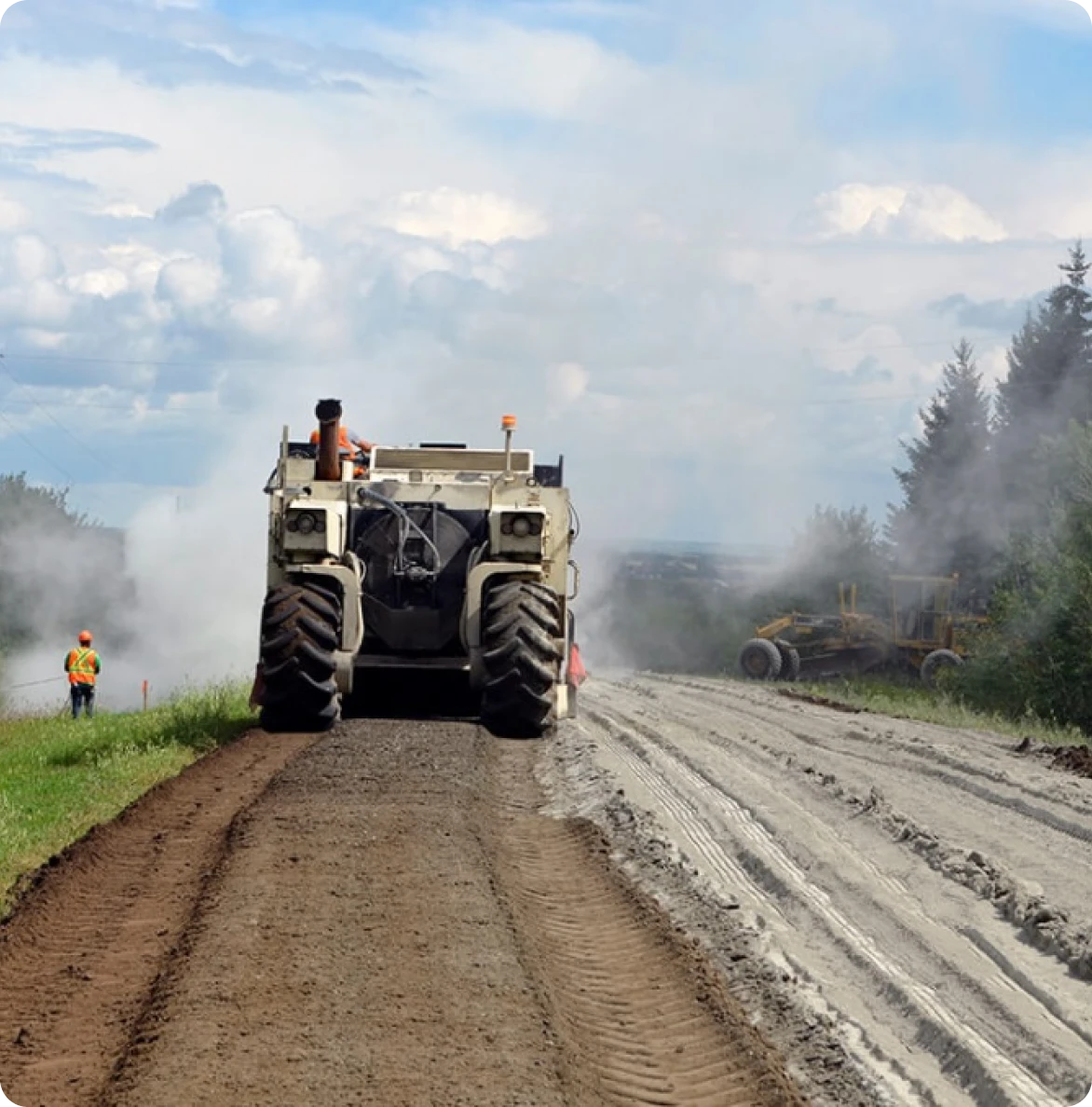
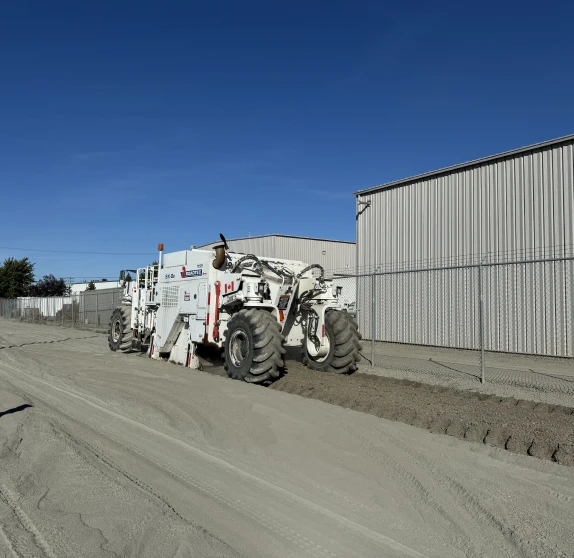
West-Can provides soil stabilization services to improve weak or unsuitable subgrade materials and create a stronger, more durable foundation for road construction.

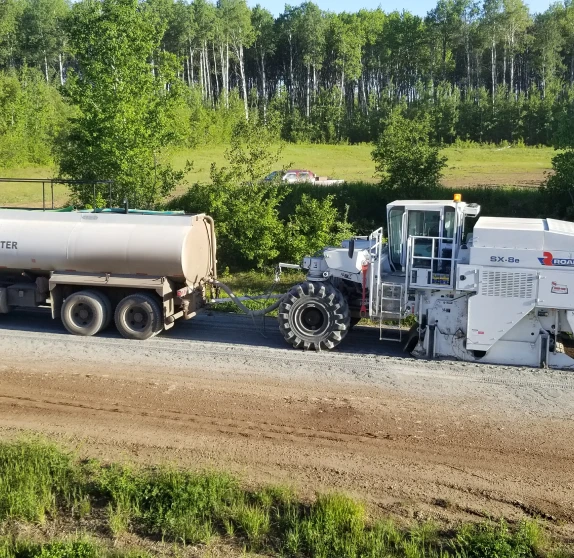
Using specialized equipment, Portland cement and other approved stabilizing agents can be blended directly into existing soils. This process modifies the properties of clay and other problematic materials, increasing strength and improving their ability to support traffic and pavement structures. In many applications, stabilization allows existing materials to be reused rather than excavated and replaced, reducing trucking, imported aggregate, construction time and overall project costs.

Soil stabilization is well suited for provincial and municipal roadways, resource and industrial roads, wind farm developments, large agricultural or energy sector operations, and other heavy-use applications. With the clay-rich soils common throughout Western Canada, cement stabilization can provide an effective solution for improving challenging subgrades.

Designed for the Existing Conditions

Every roadway is different. Prior to stabilization, existing materials can be sampled and analyzed to determine soil characteristics, moisture conditions and current structural capacity. Laboratory testing helps determine the appropriate stabilizing agent and application rate required to achieve the desired performance.

Depending on the project and existing materials, stabilization may incorporate Portland cement, fly ash, lime or other approved additives.

Once stabilized, the improved base can be incorporated into a variety of pavement structures or finished with a Graded Aggregate Seal, or Cape Seal providing owners with a practical and cost-effective roadway solution.

West-Can combines specialized equipment, experienced crews and practical field knowledge to develop stabilization solutions suited to the conditions of each project.

Bituminous stabilization

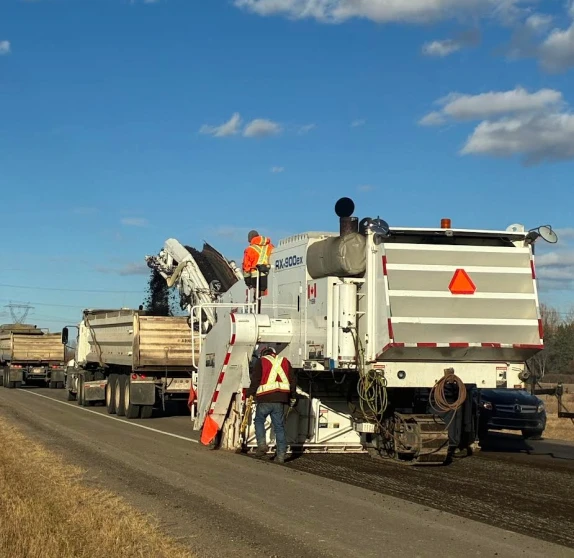
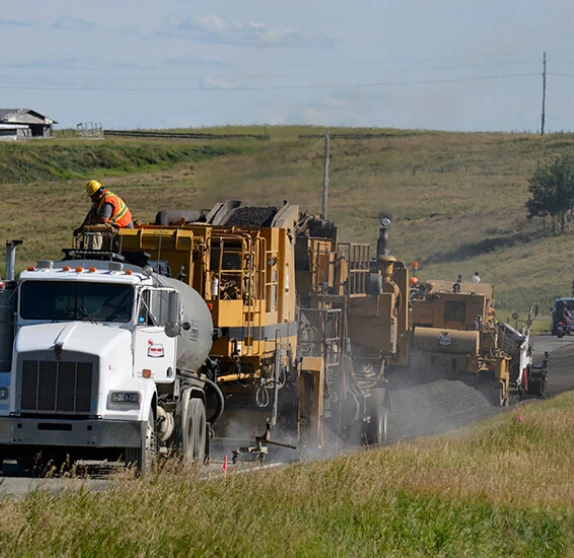
Contractors can inject either asphalt emulsion or foamed/expanded asphalt directly into the cutter drum while the pulveriser is coupled to a nurse unit. This application is best suited for older oxidized asphalts, soil cement materials, and clean granular/ bituminous structures. Expanded asphalt achieves very good success while utilizing liquid asphalt injection into granular mixes. Previously chip sealed or oiled roads can be reconstructed in situ to meet municipal needs/current loading requirements.

Interested in learning more about Cement Stabilization and watching the process? Please see the video link below:

Cement Stabilization

Why Us

Why West-Can Seal Coating?

image
image
Google logo

Excellent Reviews

Excellent Reviews

Frequently Asked Questions

What is pavement preservation, and why not just repave?

Pavement preservation extends the life of existing roads by protecting them before major deterioration occurs. Treatments such as chip seal and micro-surfacing can add years of service life at a fraction of the cost of repaving or reconstruction. By maintaining roads at the right time, municipalities and road owners can significantly reduce long-term maintenance costs and make their budgets go further.

West-Can provides pavement preservation and road maintenance services throughout British Columbia, Alberta, Saskatchewan, Manitoba, Northern Ontario, and the Canadian Territories, with the ability to mobilize to other regions as required. We serve towns, cities, rural municipalities, provincial governments, Defence Construction Canada, airports, private developments, mining operations, and energy sector clients. We also supply asphalt emulsions and other road construction materials throughout Western Canada and into the United States.

Yes. Treatments such as chip seal and micro-surfacing can often be applied over previously preserved roads, provided the underlying pavement remains structurally sound. Reapplying preservation treatments at the right time can further extend road life, improve surface conditions, and significantly reduce long-term maintenance costs.

Most pavement preservation treatments allow traffic to return relatively quickly, minimizing disruptions. Cold mix asphalt can typically handle traffic immediately after compaction, while fog seals generally require 1–2 hours of curing. Chip seal and micro-surfacing can often reopen within a few hours, depending on weather and site conditions. Temporary reduced speeds may be required.

Yes. We supply asphalt emulsions, aggregates, and cold mix asphalt to municipalities, contractors, and private customers, whether or not West-Can is performing the work. Materials are available for pickup or delivery, with quantities tailored to your project needs.

The right treatment depends on the road’s structural condition, surface deterioration, and traffic demands. Roads with a sound foundation are often ideal candidates for cost-effective preservation treatments, while those with significant structural failures may require rehabilitation or reconstruction. West-Can can assess your roadway and recommend practical solutions that maximize service life and provide the best value for your investment.

Yes. Gravel roads can often be converted to a hard surface using treatments such as double chip seal, cape seals providing the road has a structurally sound base. This approach can significantly reduce dust, improve driving conditions, and lower ongoing maintenance costs at a fraction of the cost of traditional hot mix asphalt paving.

Absolutely. Our experienced team can assess your road conditions and recommend practical, cost-effective solutions based on pavement condition, traffic volumes, and budget. Whether it’s pavement preservation, rehabilitation, or reconstruction, our goal is to help you maximize the life of your roads while minimizing long-term costs.